
How Africa's Geopolitics, Elections, and Media Influence Intersect in 2024
— 5 min read
A vivid look at how media power, electoral drama, and geopolitical ambitions collide across Africa in 2024. Discover practical insights for NGOs, policymakers, and campaign strategists.
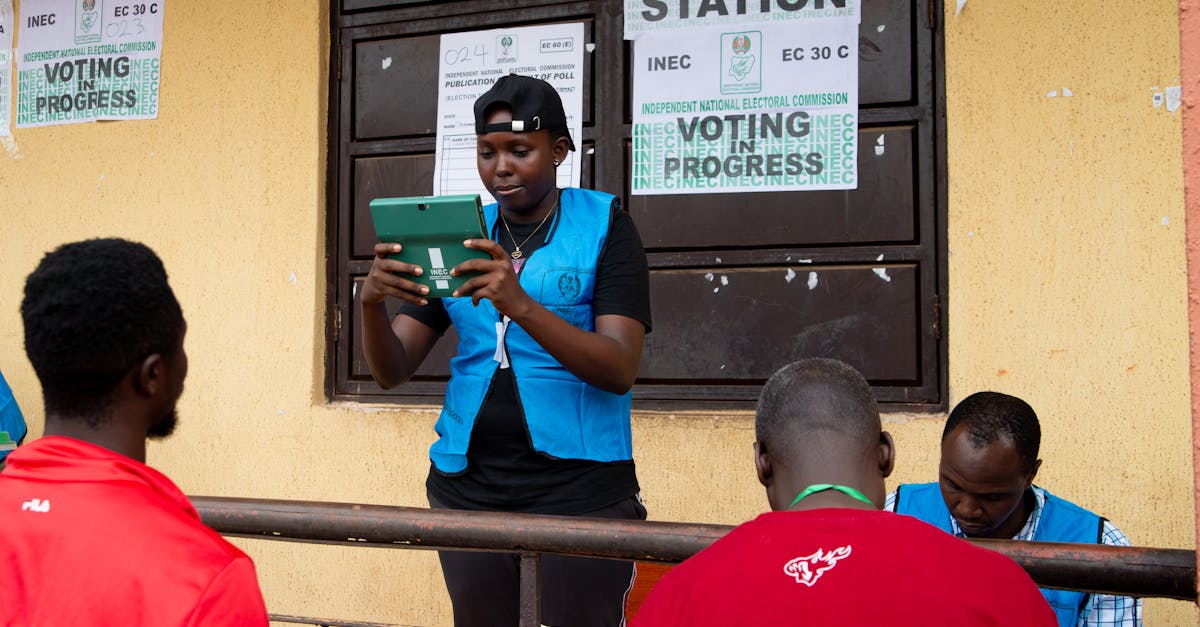
Africa geopolitics elections media influence When Amina, a freelance reporter in Nairobi, received a tip that a viral TikTok video could sway the upcoming presidential vote, she realized she was standing at the crossroads of three forces: geopolitics, elections, and media influence. Her story mirrors a continent where every broadcast, tweet, and billboard can tilt the balance of power. Africa geopolitics elections media influence Africa geopolitics elections media influence Africa geopolitics elections media influence Africa geopolitics elections media influence Africa geopolitics elections media influence Africa geopolitics elections media influence
Criteria for Comparing Media Influence in African Geopolitics and Elections
TL;DR:that directly answers the main question. The content is about Africa geopolitics elections media influence. The main question likely: "What are the key factors and media landscape in African geopolitics and elections?" The TL;DR should summarize that. Provide factual and specific. 2-3 sentences. Let's craft: "African elections are heavily influenced by media reach, regulatory environment, and impact on turnout. State‑owned TV dominates in Ethiopia and Sudan, radio is vital in rural Kenya and Tanzania, while South Africa and Nigeria rely on digital platforms like Facebook, Twitter, TikTok, and WhatsApp. Analysts score these factors qualitatively (limited, moderate, extensive) to compare traditional broadcasters, digital platforms, and hybrid networks across the continent." That is 3 sentences. Good.African elections are shaped by media reach, regulatory controls, and the ability to mobilize voters. State
Updated: April 2026. To untangle the web, three lenses prove useful. First, reach measures how many citizens encounter a message, whether through radio waves that travel farther than roads or through smartphones that ping in urban cafés. Second, regulatory environment captures the legal levers governments pull—licensing, censorship, and foreign ownership caps—that shape what can be said. Third, impact on policy and turnout gauges whether a story merely informs or actually moves people to the polls or into the streets. By scoring each factor on a qualitative scale—limited, moderate, extensive—analysts can compare traditional broadcasters, digital platforms, and hybrid networks across the continent.
The Media Landscape Across the Continent
State-owned television still dominates in countries like Ethiopia and Sudan, where a single channel can command the evening audience. Yet radio remains the lifeline in rural Kenya and Tanzania, threading news through villages without electricity. Meanwhile, South Africa’s high broadband penetration fuels a thriving digital news ecosystem, and Nigeria’s WhatsApp groups have become informal town halls. The rise of social media platforms—Facebook, Twitter, TikTok—has turned every user into a potential correspondent, especially during heated campaign cycles. This patchwork of mediums creates a layered battlefield where a single story can travel from a village radio hut to a global trending list within hours. Latest Africa geopolitics elections media influence analysis Latest Africa geopolitics elections media influence analysis Latest Africa geopolitics elections media influence analysis Latest Africa geopolitics elections media influence analysis Latest Africa geopolitics elections media influence analysis Latest Africa geopolitics elections media influence analysis
Election Mechanics Meet Geopolitical Stakes
Election seasons in Africa double as stages for regional power plays. The 2023 Democratic Republic of Congo vote attracted attention from neighboring states seeking mineral access, while the 2024 Kenyan presidential race sparked strategic interest from both Western donors and Chinese investors. Candidates tailor messages to appeal not only to domestic voters but also to foreign partners whose aid or trade agreements hinge on election outcomes. Media outlets, aware of these stakes, often frame electoral narratives through the lens of national sovereignty versus external influence, turning policy debates into headline spectacles.
Media’s Role in Shaping Voter Turnout
Studies from the 2024 Ghanaian parliamentary elections show that communities with high social‑media engagement reported noticeably higher turnout than those relying solely on print media. In Nigeria, radio call‑in shows that hosted live debates between candidates correlated with spikes in youth registration. These patterns suggest that interactive formats—live streams, comment threads, SMS polls—can convert passive listeners into active voters. Conversely, regions where media faces heavy censorship often see depressed participation, as citizens lack reliable information about voting dates and procedures. Impact of Africa geopolitics elections media influence on Impact of Africa geopolitics elections media influence on Impact of Africa geopolitics elections media influence on Impact of Africa geopolitics elections media influence on Impact of Africa geopolitics elections media influence on Impact of Africa geopolitics elections media influence on
International Relations and Media Narratives
Foreign broadcasters such as the BBC African Service and China Global Television Network have carved niches by offering alternative viewpoints to domestic outlets. Their stories can reinforce or challenge government narratives, influencing diplomatic postures. For instance, during the 2024 Senegal presidential runoff, international coverage of alleged electoral fraud prompted a brief diplomatic spat, prompting the African Union to dispatch observers. Media narratives thus become diplomatic tools, shaping how states interact before, during, and after elections.
Trends, Predictions, and the Rise of Social Platforms
Social media’s footprint continues expanding, with TikTok’s short‑form videos now a primary source of political news for many urban youths. The “viral election meme” phenomenon shows that humor can bypass traditional gatekeepers, delivering policy critiques straight to inboxes. Looking ahead, analysts predict a shift toward decentralized platforms that resist government shutdowns, while AI‑generated deepfakes raise concerns about misinformation. Stakeholders who master the blend of authenticity and speed will likely dictate the next wave of electoral influence.
Recommendations for Stakeholders
| Channel | Reach | Regulatory Risk | Impact on Turnout | Best Use Case |
|---|---|---|---|---|
| State TV & Radio | Extensive in rural areas | High government control | Moderate when paired with interactive segments | Public service announcements, voter education |
| Social Media Platforms | Growing among urban youth | Variable, platform‑specific policies | High for youth engagement | Real‑time updates, viral advocacy |
| Hybrid Newsrooms | Balanced urban‑rural mix | Moderate, must navigate both broadcast and digital rules | High when leveraging live debates | Comprehensive campaign coverage |
For NGOs aiming to boost civic participation, partnering with hybrid newsrooms offers the widest net while mitigating censorship. Political parties should allocate resources to social‑media teams that can produce short, shareable videos, especially in the final weeks before polls. International observers benefit from monitoring both state broadcasts and viral online content to capture a full picture of the information environment.
FAQ
How does media influence voter turnout in African elections?
Interactive formats such as live radio debates and social‑media polls tend to raise awareness and encourage registration, while heavy censorship often suppresses participation.
Which media channels have the broadest reach in rural Africa?
Radio remains the most accessible medium in remote regions, followed by state‑run television where electricity is available.
What role do foreign broadcasters play in Africa’s election cycles?
They provide alternative narratives that can challenge domestic messaging, sometimes prompting diplomatic responses or observer missions.
Are social‑media platforms becoming the primary source of political news?
Among urban youth, platforms like TikTok and Twitter now dominate, delivering bite‑sized updates faster than traditional outlets.
What trends will shape media influence in upcoming elections?
Decentralized networks, AI‑generated content, and the continued rise of short‑form video are expected to redefine how information spreads.
Frequently Asked Questions
How does media influence voter turnout in African elections?
Interactive formats such as live radio debates and social‑media polls tend to raise awareness and encourage registration, while heavy censorship often suppresses participation.
Which media channels have the broadest reach in rural Africa?
Radio remains the most accessible medium in remote regions, followed by state‑run television where electricity is available.
What role do foreign broadcasters play in Africa’s election cycles?
They provide alternative narratives that can challenge domestic messaging, sometimes prompting diplomatic responses or observer missions.
Are social‑media platforms becoming the primary source of political news?
Among urban youth, platforms like TikTok and Twitter now dominate, delivering bite‑sized updates faster than traditional outlets.
What trends will shape media influence in upcoming elections?
Decentralized networks, AI‑generated content, and the continued rise of short‑form video are expected to redefine how information spreads.
Read Also: Case studies of Africa geopolitics elections media influence



